Top.Mail.Ru
CBD-20 2T Electric Pallet Truck - Wholesale Supplier
  • CBD-20 2T Electric Pallet Truck
  • CBD-20 2T Electric Pallet Truck
  • CBD-20 2T Electric Pallet Truck
  • CBD-20 2T Electric Pallet Truck
  • CBD-20 2T Electric Pallet Truck

Description

Model CBD-20
Fork length 1160 mm
Total width 550 / 685 mm
Overall length 1600 mm
Total height 1240 mm
Operating method Motorized Lifting Motorized Walking
Output voltage Charge 220V / Output 48V
Battery Type lead-acid battery
Lifting height 85 mm – 200 mm
Rated load 2000 KG

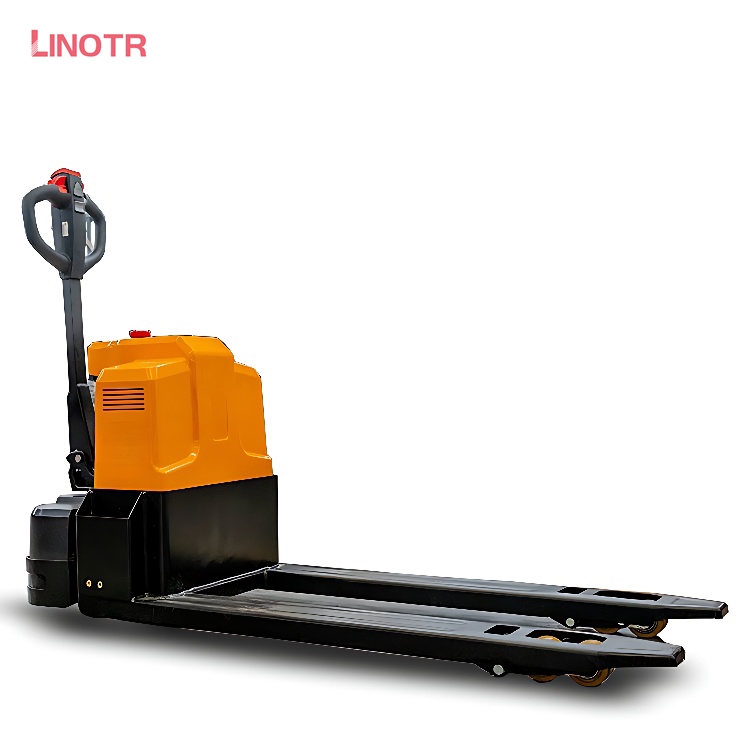
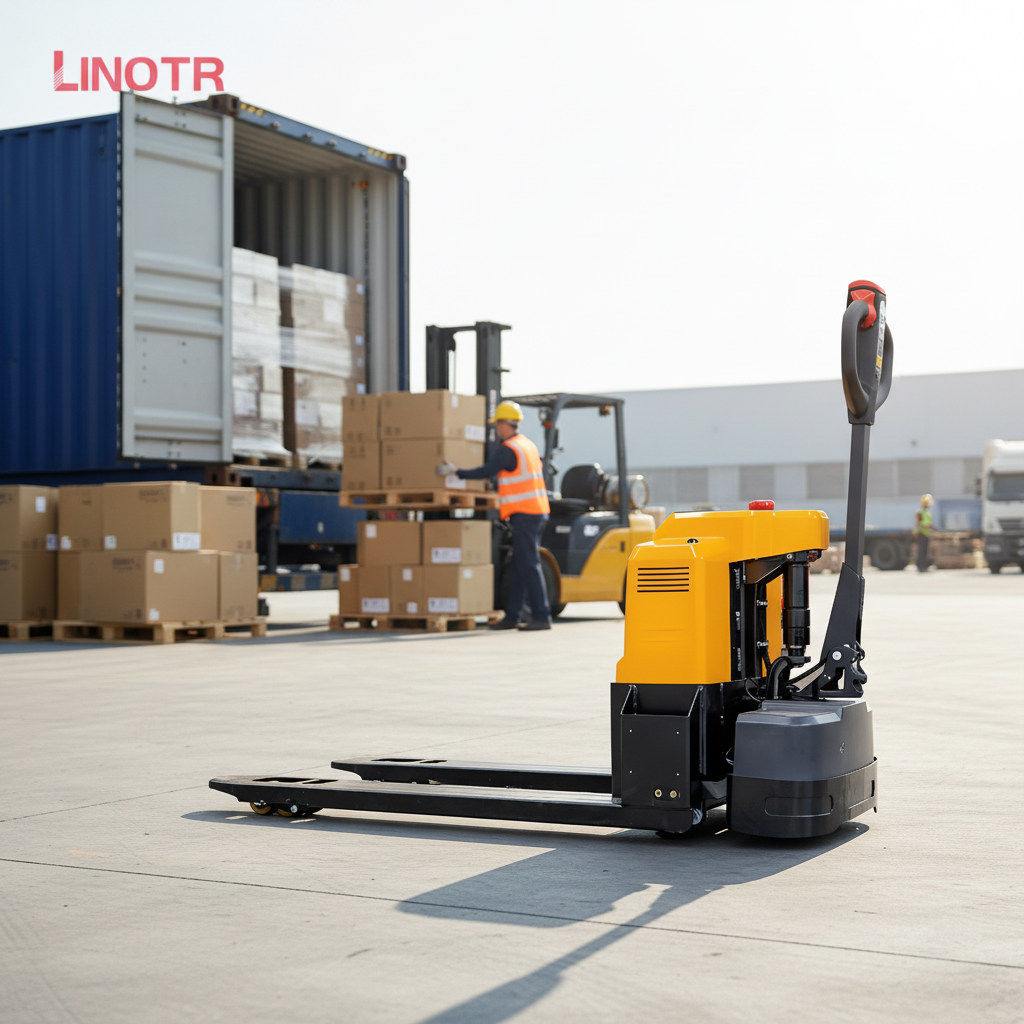
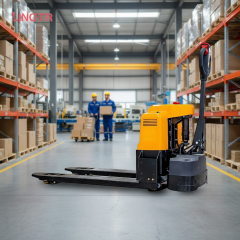
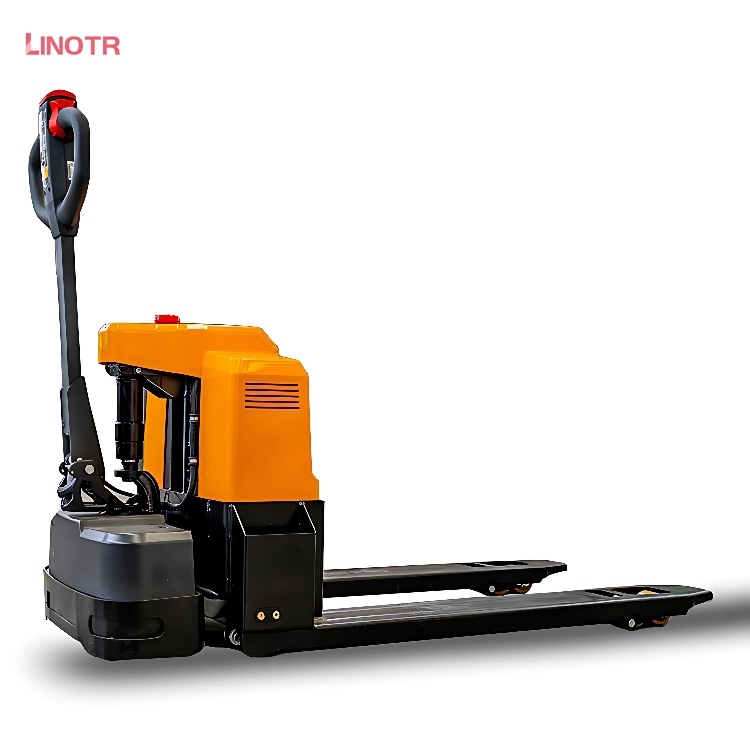
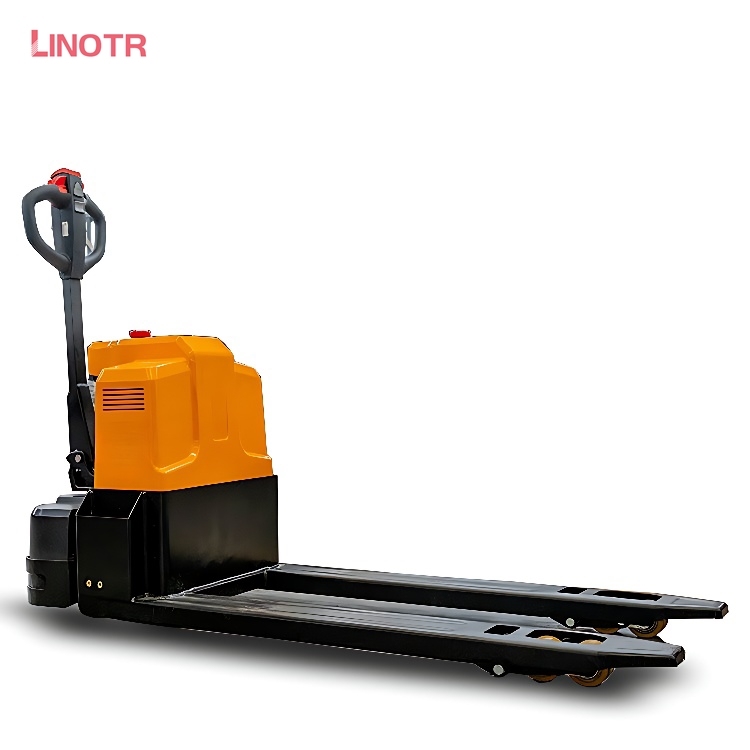
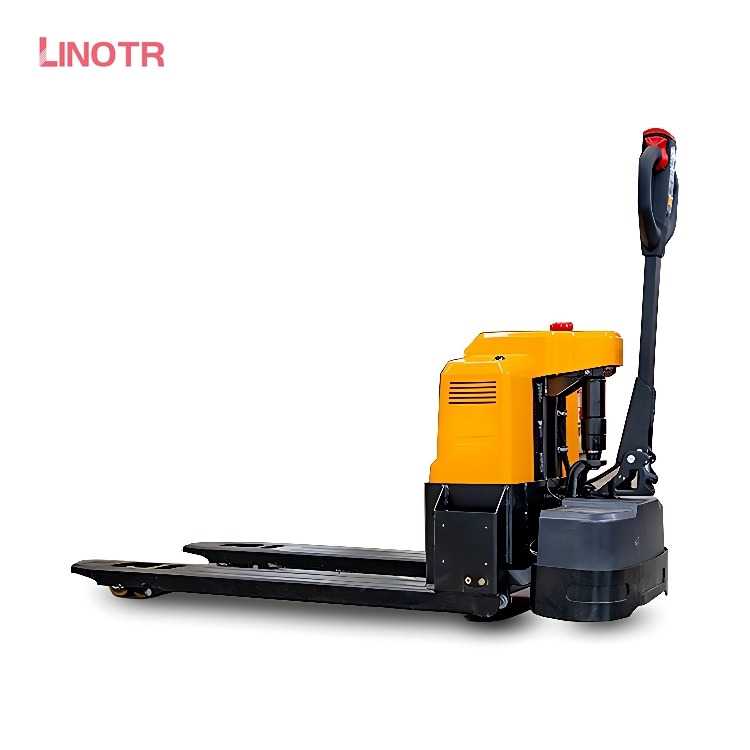
CBD-20 Electric Pallet Truck Images


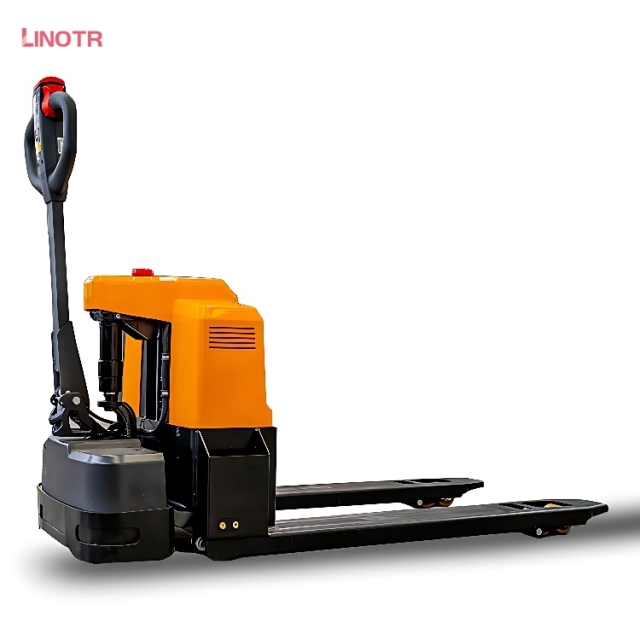
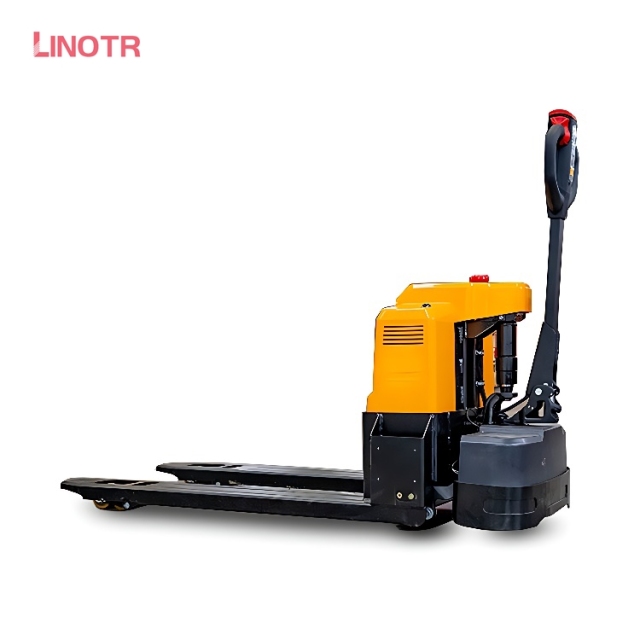
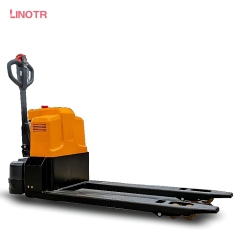
Controls Kept Under the Operator's Hand

  • Forward, reverse, lift and lower all sit on the tiller grip, so the operator keeps hold of the truck while steering a pallet into position.
  • The lift and lower buttons are within thumb reach, which means a pallet can be raised without letting go or stepping around the handle.
  • A red emergency stop on the power unit cuts drive the moment the operator steps back from the tiller.
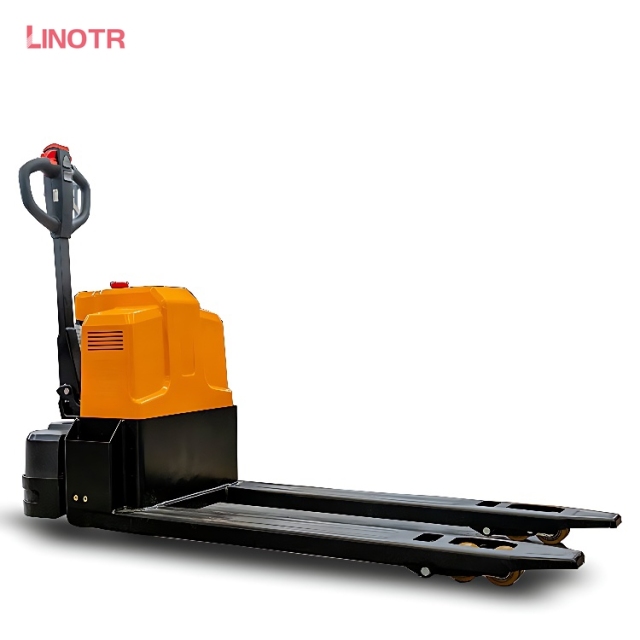
  • The pallet rides low between the fork tips, with the load wheels underneath, which is what keeps a walk-along truck steady through constant stop-start handling.
  • With the power unit sitting behind the forks and the tiller standing where the hand reaches it, the truck turns inside an aisle instead of needing clearance around it.

Choosing Between the 1.5 t, 2 t and 3 t Trucks

  1. Weigh the pallet that moves most often, not the heaviest one you have ever handled — the routine load is what decides the model.
  2. The 1.5 t truck in this line suits steady, lighter pallet flows and short routes between receiving, storage and dispatch.
  3. This 2 t model suits mixed flows, where an occasional heavy pallet would otherwise keep a lighter truck working at its limit all day.
  4. The 3 t version suits operations where dense pallets of drinks, tiles or bagged goods are the normal load rather than the exception.

Where This Truck Earns Its Keep

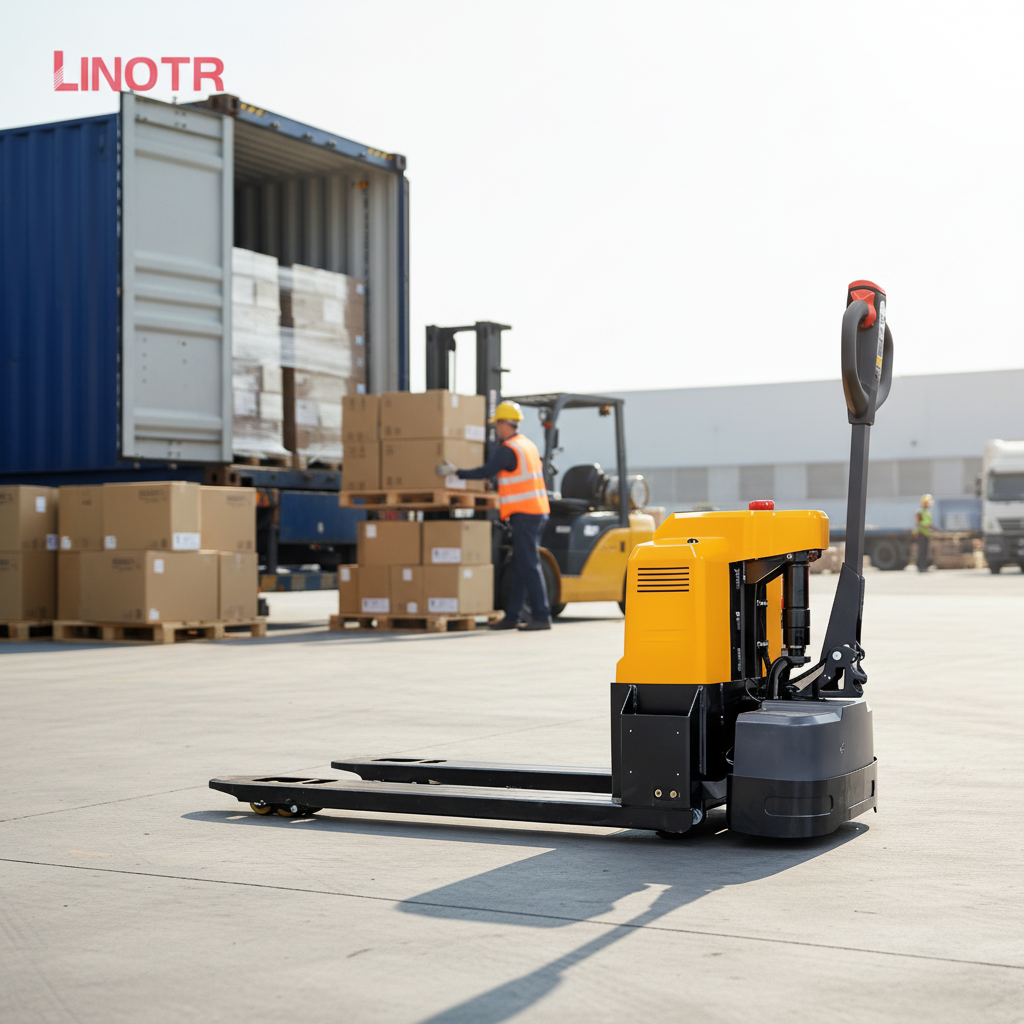
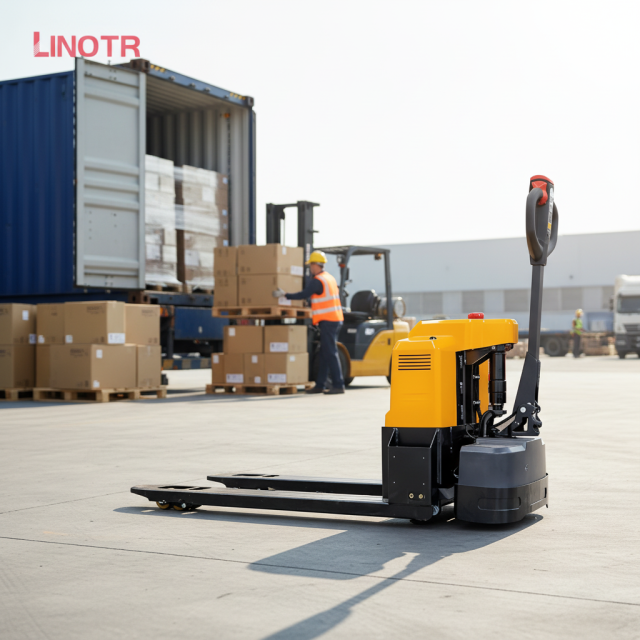
  • Trailer and container unloading — the forks slide under a pallet standing in a trailer and pull it onto the dock floor, so nobody drags the weight down a ramp by hand.
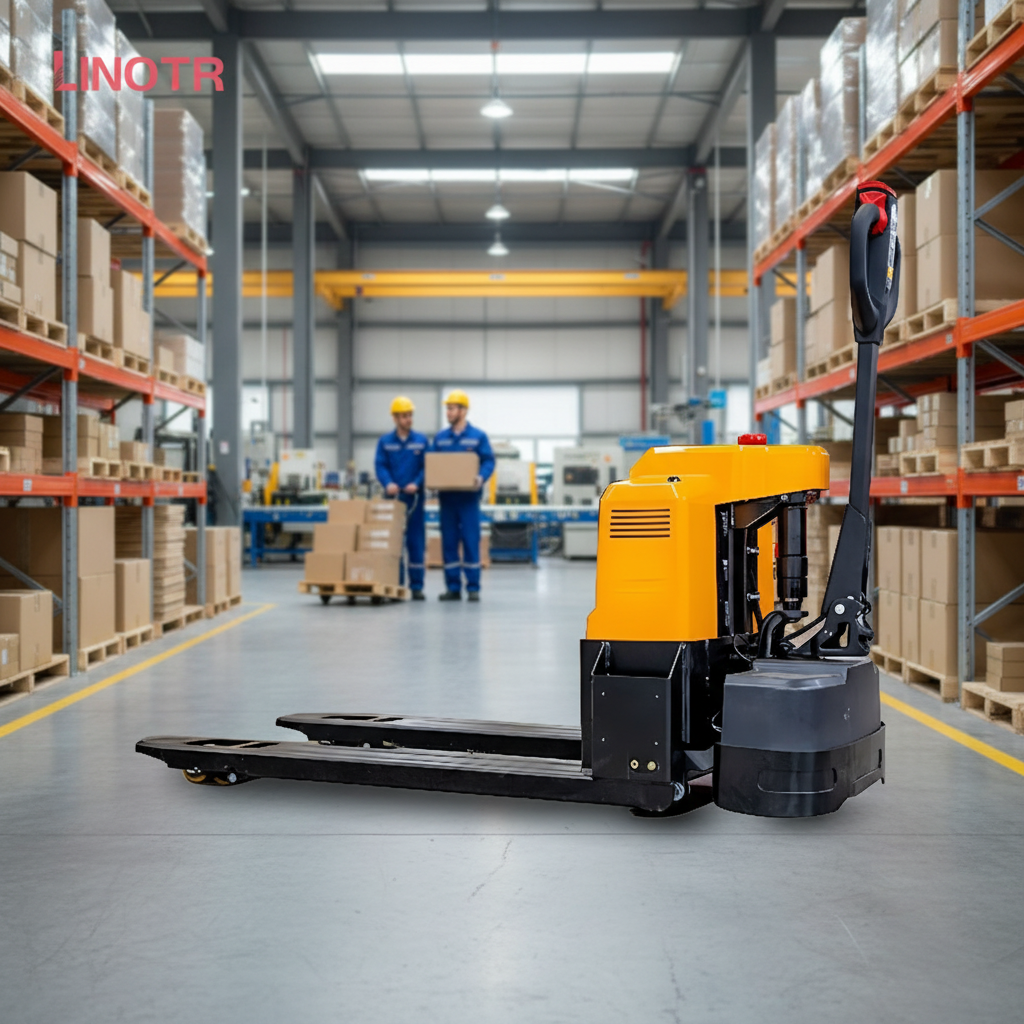
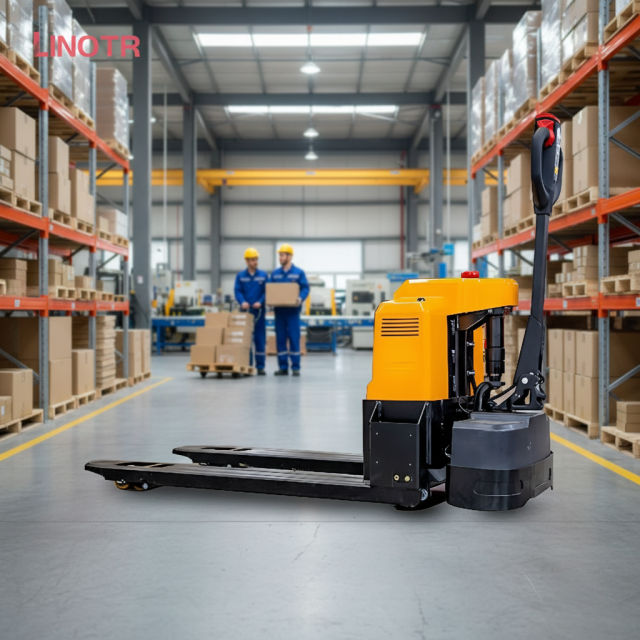
  • Zone-to-zone movement — receiving, storage and dispatch usually sit at opposite ends of a building, and one operator keeps pallets crossing the floor for a full shift.
  • Feeding production and packing lines — components, packaging and finished goods arrive at the workstation at walking pace without pulling a forklift off the yard.
  • Empty pallet returns — the same truck takes stacks of empty pallets back to the loading area, which keeps the aisles clear without a second machine.

Working Limits to Plan Around

  1. Smooth, level concrete is home ground — aisle floors, dock plates, trailer beds and covered aprons. Gravel, mud and unsurfaced yards need a rough-terrain forklift instead.
  2. The forks lift clear of the floor to carry a pallet at travel height, so this is ground-level transport. Putting loads away at racking height belongs to a stand-on stacker or a counterbalance forklift.
  3. The operator walks the whole route, so plan aisle lengths and door openings around a walked truck rather than a ridden one.

Product Range & Supply Capability

We supply material handling equipment as a complete range rather than a single machine: electric pallet trucks and stand-on stackers for warehouse and dock work, and diesel and rough-terrain forklifts for heavier outdoor duties, covering roughly 1.5T to 5T. That breadth lets fleet buyers standardise on one supplier across indoor and outdoor sites and match each job to the right power type and capacity. Tell us your load, terrain and duty cycle, and we will help you select the correct model from the range.

FAQ

Q1. What should the operator check before each shift?

The daily check is short: look over the fork tips and the wheels for debris or impact damage, confirm the tiller swings freely and returns to centre, and listen for any change in the sound of the lift. Fitting it into the first five minutes of a shift catches most problems while they are still small. Anything that feels stiff or sounds different from yesterday is worth looking at before the truck goes back into the aisle.

Q2. What is the truck built from?

The load rides on steel forks carried by a hydraulic linkage, and the drive and battery sit inside a painted steel power unit behind them. A vented grille on the side of the housing keeps air moving over the drive through a shift, and the tiller handle is shaped for a firm one-handed grip. Everything the operator touches — handle, grip and control buttons — sits at the rear of the truck, clear of the load.

Q3. How is the battery charged, and where should the truck park?

Charging runs from a standard mains socket, so the truck only needs a parked position with a socket within reach and some airflow around it; a dedicated charging room is not necessary. Topping up during breaks and at the end of each shift keeps it ready for the next one. Keep the charging lead and the parking bay out of the traffic lanes so the truck can be plugged in without moving anything else.

Q4. Will it fit through our doors and turn in our aisles?

The truck is built in two overall widths, so a narrow aisle and a wide pallet footprint can each be matched properly instead of compromised. Your narrowest aisle and your smallest door opening are the two measurements that decide the width — allow a little clearance on both sides. Turning space at the end of a racking aisle is the other measurement worth taking before you commit.

Q5. Does it take one operator or two?

One operator is enough. Everything happens from the tiller, so nobody has to stand at the forks to steady or lift the load. That makes a pallet run or a full unloading job a single-person task.

Q6. What happens if a pallet is heavier than we expect?

The rated load is what the truck carries, and the pallet itself adds its own weight on top, so a heavy timber pallet eats into the margin. Loads that overhang the forks or sit to one side put more weight on a single fork than a centred load, so keep a little in reserve rather than working at the figure every day. If your regular pallets crowd the limit, the next capacity up in the same line is the better answer.
Leave a message
First Name *
Last Name *
Email *
Message *
Verification Code *
Click to verify